
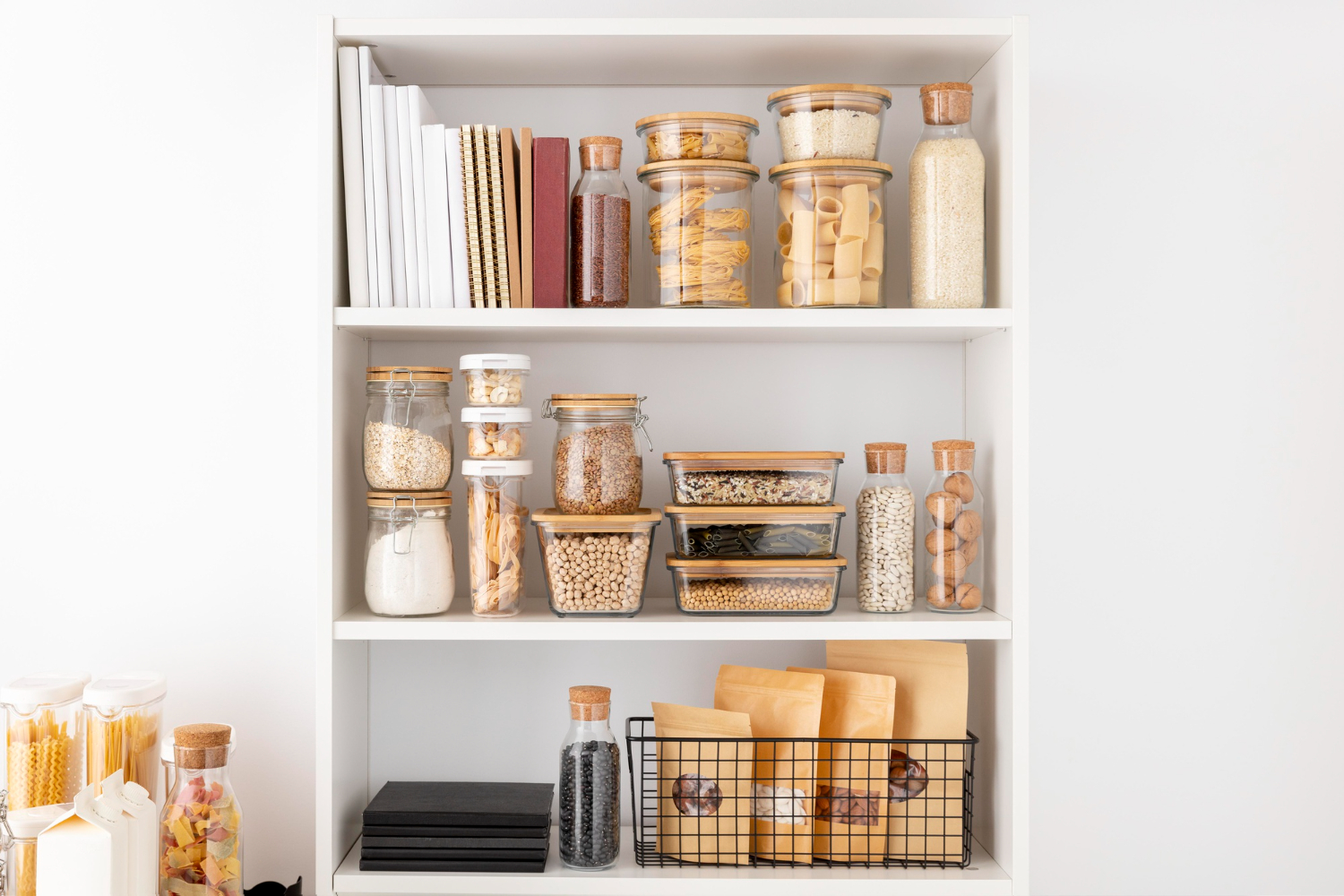
A minimalist pantry is all about simplicity, efficiency, and versatility. Instead of cluttering shelves with dozens of specialty items, a minimalist approach focuses on essential, multi-use ingredients that allow you to create a wide range of meals. Whether you’re aiming to save money, reduce waste, or simplify cooking, building a minimalist pantry is both practical and rewarding. Here’s your ultimate guide to stocking a minimalist pantry.
1. The Principles of a Minimalist Pantry
Before diving into ingredients, it’s important to understand the guiding principles:
-
Quality over quantity: Focus on essential items that are versatile and nutritious.
-
Shelf-stable staples: Choose items with long shelf life to reduce frequent shopping.
-
Multi-use ingredients: Select items that can appear in multiple recipes.
-
Avoid duplicates: Keep one or two options per category rather than multiple brands or variations.
2. Essential Pantry Staples
Grains and Starches
-
Rice (white, brown, or jasmine)
-
Pasta (regular and/or whole grain)
-
Rolled oats or quick oats
-
Quinoa or couscous
Why: These are versatile, long-lasting, and serve as the foundation for countless meals.
Legumes and Beans
-
Canned or dried beans (black, kidney, chickpeas, lentils)
-
Split peas or lentils for soups and stews
Why: Beans are a cost-effective protein source, high in fiber, and adaptable to soups, salads, and main dishes.
Canned and Jarred Goods
-
Tomatoes (diced, crushed, or paste)
-
Coconut milk
-
Canned tuna or salmon
-
Broth (vegetable, chicken, or beef)
Why: These add flavor, nutrients, and convenience without taking up much space.
Oils, Fats, and Condiments
-
Olive oil or vegetable oil
-
Vinegar (white, apple cider, or balsamic)
-
Soy sauce or tamari
-
Mustard, ketchup, or hot sauce (optional but versatile)
Why: Essential for cooking, dressing, and adding flavor to meals.
Baking Essentials
-
Flour (all-purpose or whole wheat)
-
Sugar (granulated, brown, or honey)
-
Baking powder and baking soda
-
Salt and pepper
Why: These basics allow you to bake bread, desserts, and savory dishes without cluttering your pantry.
Spices and Herbs
-
Garlic powder or fresh garlic
-
Onion powder or dried onion
-
Paprika
-
Dried oregano, basil, thyme, or mixed Italian herbs
-
Chili flakes or cayenne
Why: A small selection of spices dramatically enhances flavor and versatility.
Frozen Essentials
-
Vegetables (broccoli, spinach, peas, mixed vegetables)
-
Fruit (berries or mango)
-
Proteins (chicken, fish, or plant-based options)
Why: Freezing extends shelf life and ensures you always have nutritious ingredients on hand.
Refrigerated Essentials
-
Eggs
-
Milk or plant-based alternatives
-
Cheese (hard or shredded)
-
Yogurt (optional for breakfast or snacks)
Why: These provide protein, calcium, and healthy fats without taking up excessive space.
3. Minimalist Pantry Tips
- Rotate Stock: Use older items first to reduce waste and keep your pantry fresh.
- Label and Organize: Store items in clear containers to see quantities and avoid duplicates.
- Plan Around Essentials: Base weekly meal plans on what’s in your minimalist pantry.
- Buy Multipurpose Items: For example, rice can serve as a side dish, base for stir-fries, or even breakfast porridge.
4. Benefits of a Minimalist Pantry
-
Less clutter: More space and easier navigation.
-
Saves money: Buying only essentials reduces unnecessary purchases.
-
Reduces waste: Fewer perishable items expire before use.
-
Encourages creativity: Minimal ingredients challenge you to get creative with meals.
-
Simplifies shopping: Fewer items to track, buy, and restock.
Stocking a minimalist pantry is about intentionality—choosing quality, versatile ingredients that allow you to cook efficiently without excess clutter. With the right essentials, you can create a variety of healthy meals, save money, reduce waste, and make cooking a more enjoyable, stress-free experience. A minimalist pantry isn’t just practical; it’s a lifestyle that brings simplicity and clarity to the heart of your home: the kitchen.