
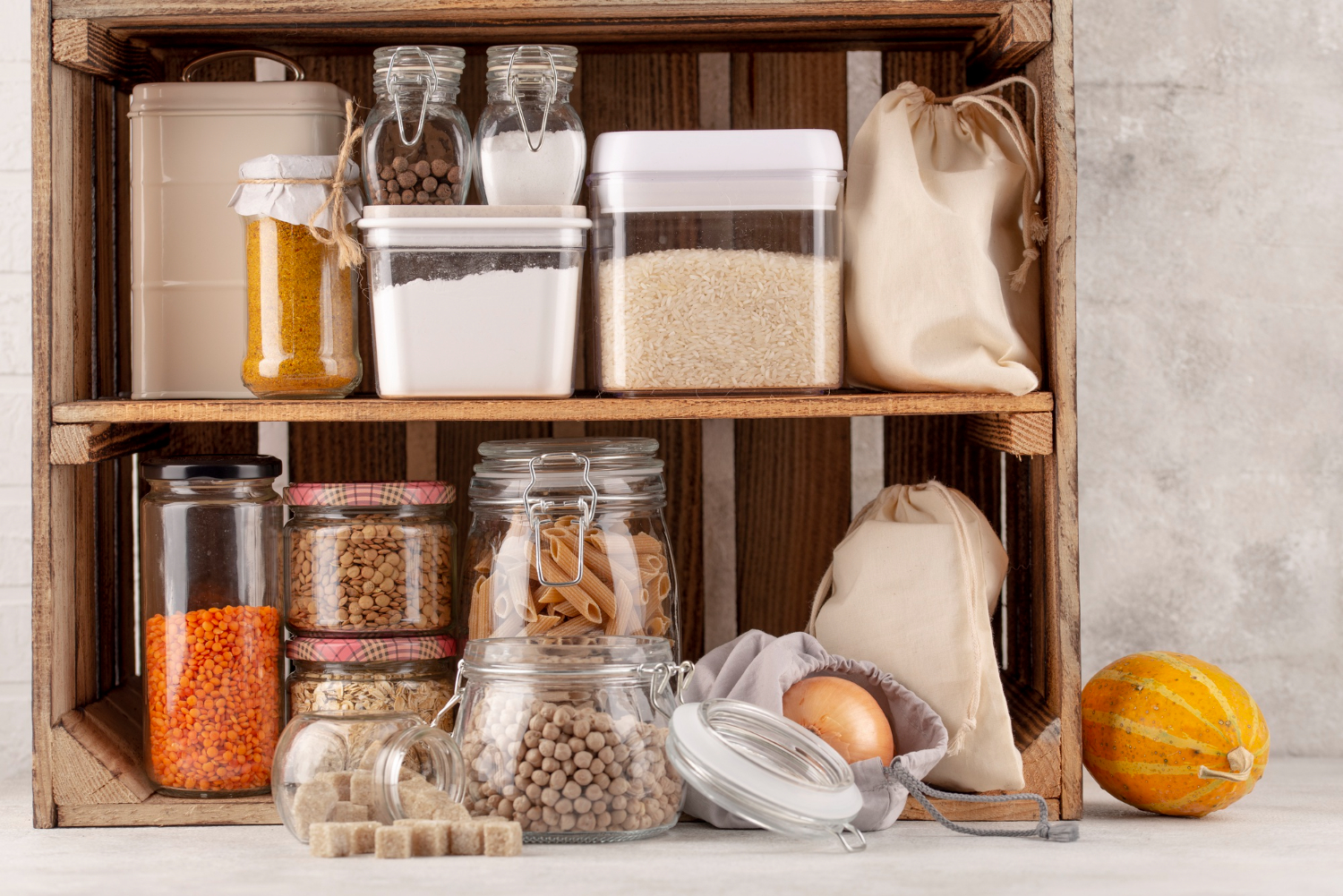
Life is unpredictable. Power outages, severe weather, or unexpected emergencies can make it difficult—or impossible—to get to the store. Keeping a well-stocked emergency grocery supply ensures your family stays safe, nourished, and stress-free when the unexpected happens. But stocking up isn’t just about hoarding food—it’s about selecting items that are shelf-stable, nutritious, and versatile. Here’s a guide to emergency grocery essentials every household should keep on hand.
1. Non-Perishable Staples
Grains and Pasta
-
Rice, pasta, and quinoa are long-lasting, versatile, and filling.
-
Consider instant or precooked options for convenience during emergencies.
Canned Goods
-
Vegetables, beans, fruit, and soups provide nutrients and variety.
-
Look for low-sodium options when possible to maintain heart health.
Flour, Oats, and Cereals
-
Rolled oats, instant oatmeal, and whole-grain cereals last months and serve as breakfast staples.
-
Flour can be used for baking bread or thickening soups.
2. Protein Sources
Canned and Shelf-Stable Proteins
-
Tuna, salmon, chicken, and sardines are excellent sources of protein and omega-3s.
-
Canned beans and lentils provide plant-based protein.
Nut Butters and Nuts
-
Peanut butter, almond butter, and mixed nuts are nutrient-dense and calorie-rich.
-
Great for energy during emergencies.
Powdered or Shelf-Stable Milk
-
Powdered milk or shelf-stable milk cartons provide calcium and protein.
-
Soy or oat milk alternatives can work if you have dietary restrictions.
3. Cooking Essentials
Oils and Fats
-
Olive oil, vegetable oil, and coconut oil last long and are essential for cooking or adding calories.
Condiments and Spices
-
Salt, pepper, sugar, dried herbs, and basic spices improve flavor and preserve appetite during stressful times.
-
Small amounts of hot sauce, ketchup, or mustard can make meals more palatable.
4. Snacks and Quick Energy Foods
Ready-to-Eat Items
-
Granola bars, trail mix, and crackers are shelf-stable and require no cooking.
-
Dried fruit provides vitamins and quick energy.
Comfort Foods
-
Chocolate, hard candies, or cookies can help morale during emergencies.
5. Hydration Essentials
Water
-
Store at least one gallon per person per day for at least three days.
-
Consider water purification tablets or filters as backup.
Shelf-Stable Beverages
-
Juice boxes, powdered drink mixes, or electrolyte packets help maintain hydration.
6. Special Considerations
Dietary Restrictions
-
Keep gluten-free, vegan, or allergy-friendly alternatives if needed.
-
Include baby formula, pet food, or other specific necessities for family members.
Shelf Life and Rotation
-
Check expiration dates every few months.
-
Rotate items into regular meals so nothing goes to waste.
7. Planning Tips
- Start Small: Build your emergency pantry gradually to avoid overspending.
- Use Multipurpose Items: Choose foods that can be eaten as-is or incorporated into multiple meals.
- Store Smart: Keep items in a cool, dry place away from sunlight.
- Document Your Supply: Make an inventory list and update it regularly.
A well-stocked emergency grocery supply isn’t just about food—it’s about peace of mind. By keeping non-perishable staples, proteins, cooking essentials, snacks, and hydration items on hand, you ensure your family can weather unexpected disruptions with minimal stress. Start gradually, plan carefully, and rotate your stock regularly to keep your emergency pantry ready for anything life throws your way.